
Nvidia and other semiconductor stocks remained under pressure on Thursday, as renewed concerns over the Iran conflict weighed on investor sentiment.
Nvidia shares fell 1.9% to $172.41 in early trading. However, the stock had clawed back some of those losses to trade mostly flat at the time of writing.
The move tracked broader market weakness, with the S&P 500 down 0.2% after remarks from Donald Trump failed to ease fears of a prolonged disruption in the Strait of Hormuz.
Supply chain risks
While semiconductor companies have not yet seen direct operational impacts, attention is shifting to potential supply chain disruptions in Asia.
Much of the region depends on oil and gas shipments that typically pass through the Strait of Hormuz, which is currently effectively blocked.
Taiwan Semiconductor Manufacturing Company, the world’s largest chipmaker, is particularly exposed to energy supply risks. Its American depositary receipts fell 3.3% in morning trading.
TSMC accounts for roughly 9% of Taiwan’s electricity consumption, with natural gas serving as the island’s largest energy source.
Taiwanese authorities have said existing liquefied natural gas reserves should last through May.
Analysts maintain positive view on Nvidia
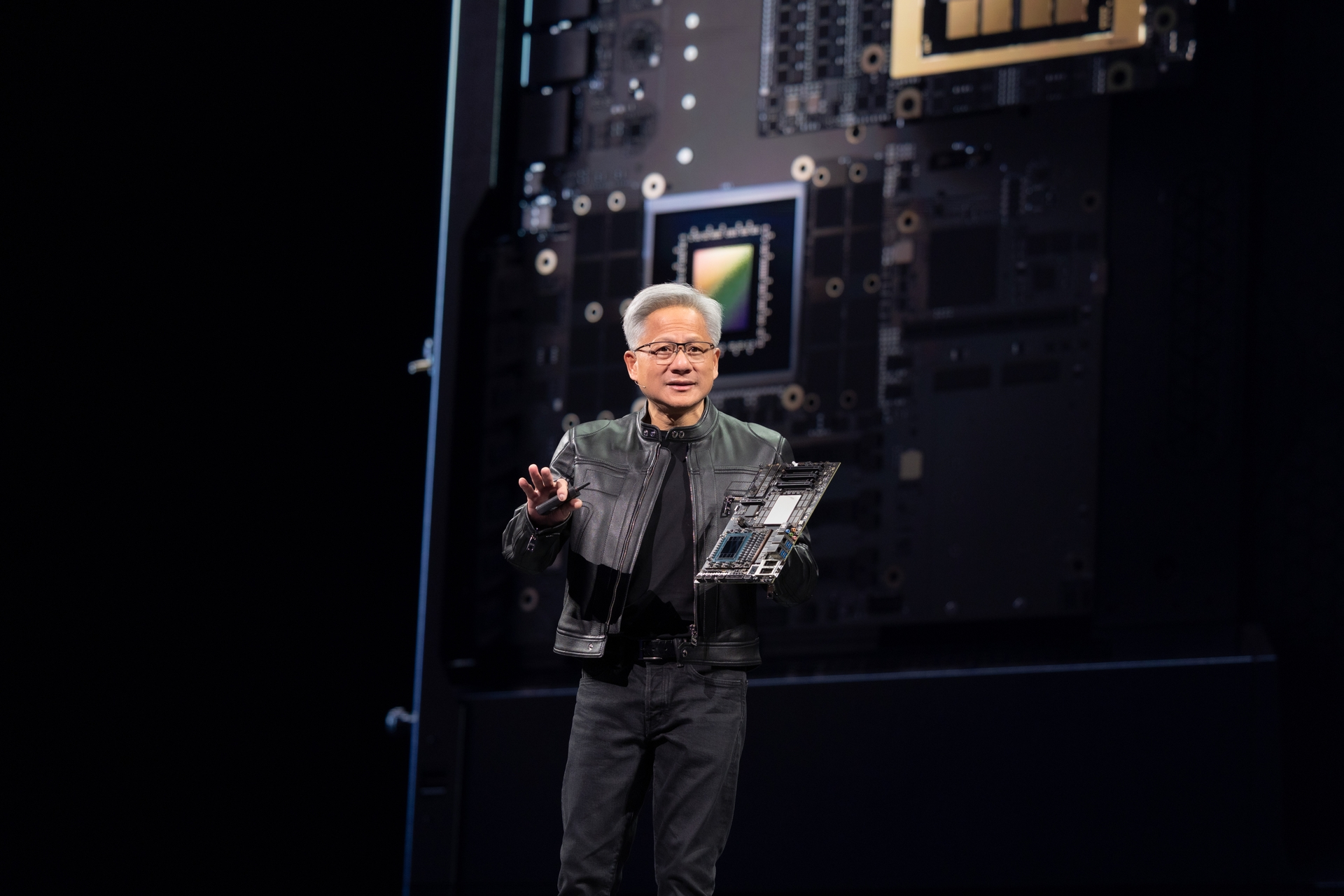
Despite the pullback, analysts continue to highlight Nvidia’s strategic positioning.
Benchmark reiterated a Buy rating on the stock with a $250 price target.
The firm cited Nvidia’s expanded partnership with Marvell Technology as a key development.
It also maintained a Buy rating on Marvell, with a $130 price target.
Benchmark said the partnership expansion and Nvidia’s related investment represent meaningful new information for institutional investors, though it has not yet revised its financial estimates for either company.
Nvidia stock remains under stress
Shares of Nvidia have come under pressure in recent months, falling nearly 20% from their record high in October amid a broader global market selloff.
Part of the decline has been linked to geopolitical concerns, particularly tensions involving the US and Israel with Iran.
Investors are wary that elevated oil prices could stoke inflation and force central banks to maintain or even tighten interest rates, weighing on high-growth technology stocks.
As a result, Nvidia is now trading at one of its lower valuation levels in recent years.
Nvidia is currently valued at about 20 times its expected earnings over the next 12 months, marking its lowest price-to-earnings multiple since early 2019.
Investors use P/E multiples to gauge a stock’s valuation relative to its anticipated future earnings.
With the growth of online trading apps, tracking such metrics has become significantly easier and more accessible to market participants.
At the same time, investors are reassessing the pace of returns from heavy spending on artificial intelligence infrastructure.
Major customers such as Microsoft, Alphabet, and Amazon continue to invest heavily in AI, but concerns remain that these expenditures may take longer to translate into meaningful revenue and profit growth, adding to pressure on sentiment.
The post Nvidia stock remains under pressure but analysts see upside ahead appeared first on Invezz