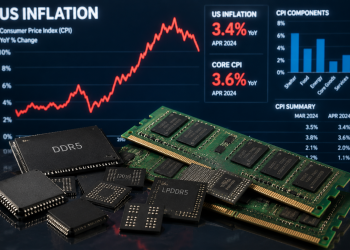


Oracle stock (ORCL) recovered modestly on Wednesday, rising around 1.5% a day after suffering a sharp 3.6% decline during a broader technology-led selloff triggered by hotter-than-expected inflation data.
The rebound offered some relief for investors after a difficult year for the enterprise software giant, whose shares remain down roughly 3.5% year-to-date despite strong enthusiasm around artificial intelligence infrastructure spending.
The broader market remained under pressure following the latest inflation report, which pushed Treasury yields to fresh 10-month highs and reignited concerns about the outlook for interest rates and high-growth technology stocks.
Analysts raise targets on AI optimism
Wall Street analysts turned more constructive on Oracle this week, arguing that the market may be underestimating the company’s positioning in the rapidly expanding AI infrastructure ecosystem.
Oppenheimer raised its price target on Oracle to $235 from $210 while maintaining an Outperform rating.
The firm cited strong infrastructure spending trends from Oracle’s major customers, partners, and suppliers, alongside the company’s aggressive restructuring efforts announced earlier this year.
Oracle disclosed plans in March to reduce its workforce by roughly 30,000 employees, or about 18% of total staff, as it reallocates resources toward AI infrastructure expansion and data center investments.
Oppenheimer said those developments strengthen the outlook for Oracle’s fiscal fourth-quarter results next month and support the company’s medium-term financial guidance.
The firm also highlighted expectations for continued bookings growth driven by commitments from major AI customers, including OpenAI, Meta, Nvidia, and U.S. federal government projects.
Additionally, the bank expects Oracle to benefit as Microsoft increasingly outsources lower-margin AI training workloads to Oracle infrastructure.
Meanwhile, Wedbush raised its price target to $275 from $225 and reiterated its Outperform rating.
Wedbush argued that investors are focusing too heavily on Oracle’s near-term capital expenditure burden while overlooking the visibility provided by large contract-backed AI demand.
The firm said confidence around Oracle’s relationship with OpenAI has improved and that the broader data-center growth narrative remains intact.
OpenAI concerns still overhang stock
Despite the analyst optimism, investors remain cautious about Oracle’s growing dependence on OpenAI and the broader generative AI ecosystem.
Last month, Oracle shares came under pressure following reports that OpenAI missed internal targets for both revenue and user growth.
According to reports, OpenAI failed to achieve its goal of reaching one billion weekly active users by the end of 2025 and also missed several monthly revenue expectations earlier this year.
The company has reportedly faced intensifying competition from rivals, including Anthropic, particularly in enterprise software and coding applications.
Data cited in the reports showed ChatGPT’s share of generative AI web traffic falling from 86.7% a year earlier to 64.5% in January 2026, while Gemini increased its share sharply.
The reports also indicated that OpenAI Chief Financial Officer Sarah Friar had internally raised concerns about the company’s ability to meet future computing obligations if revenue growth slows further.
Those developments triggered renewed scrutiny of Oracle’s AI infrastructure spending strategy, given the company’s aggressive buildout of data-center capacity tied heavily to anticipated OpenAI demand.
Oracle’s remaining performance obligations — a key measure of future contracted revenue — surged 325% to $553 billion, underscoring both the scale of the opportunity and the execution risks attached to its AI expansion plans.
The post Oracle stock is up 1.5% today: analysts see more upside ahead appeared first on Invezz