
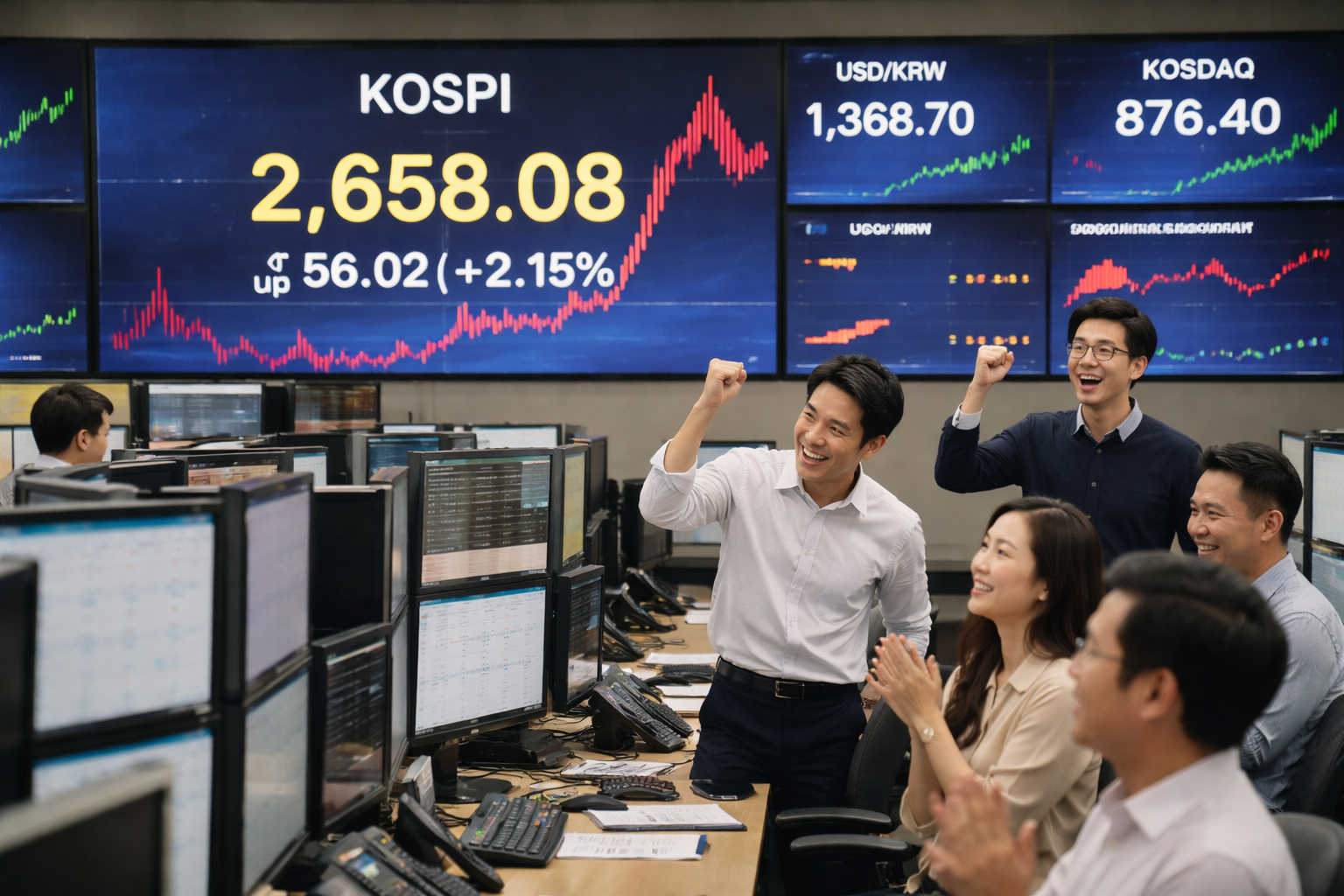
The Kospi Index tumbled by over 9% today, June 26, erasing most of the gains made earlier during the week. It retreated to 8,275, lower than the year-to-date high of 9,387. This retreat and the ongoing volatility has led to concerns on whether the South Korean stock market bull run is ending.
Kospi Index tumbles on profit-taking
A technology rout is happening in South Korea, Japan, and the United States as investors continue harvesting profits after a prolonged bull run that has seen many traders embrace substantial leverage.
The Kospi Index crashed by close to 10%, with Samsung, SK Hynix, and SK Square driving the losses. SK Square stock retreated by 14%, while Samsung and SK Hynix fell by nearly 10%.
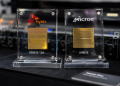
These stocks have erased the gains they made on Thursday as investors cheered the strong Micron earnings. In its report, Micron said that its revenue surged by over 300%, with its profit hitting a record high. It has now overtaken Nvidia in terms of margins as its memory chip prices jump.
Micron’s earnings led to a surge in Samsung and SK Hynix, which are bigger in the high bandwidth memory (HBM) industry. Its earnings pushed other memory names like Sandisk and Western Digital higher.
There are concerns that the ongoing memory price increases will lead to demand destruction. For one, Apple said that it would increase the prices of its Macbooks, a move that, in theory, will lead to weaker sales over time.
Tim Cook has also confirmed that the higher memory prices will push it to hike iPhone prices. These concerns also explain why Xiaomi’s stockhas tumbled in the past few months.
South Korean stocks are facing major risks
The Kospi Composite Index is facing some major risks ahead. A key risk is the fact that its spectacular rally has been driven by Samsung and SK Hynix whose valuations have jumped to over $1 trillion each. As a result, a major issue in one of these companies will affect its overall performance over time.
The other major risk is that many South Korean retail traders have piled into the stock market, with some of them using substantial leverage. That could lead to a steep retreat on panic selling if conditions change.
At the same time, history shows that stocks don’t go up forever, and bull markets are usually followed by bear markets. As such, there is a risk that the ongoing Kospi Index bull run is nearing its end. If this reversal does not happen soon, it may happen either later this year or in 2027.
Kospi Index technical analysis points to a retreat
Kospi Composite Index chart | Source: TradingView
Some key technical theories suggest that the Kospi Composite bull run may be nearing its end. One of these is the Wyckoff Theory, which suggests that the index is now entering the distribution stage. It has been in a multi-month markup stage that pushed it to a record high.
The other theory is known as a bearish divergence. This is a situation in which key oscillators like the MACD and the Relative Strength Index (RSI) make a series of lower lows and lower highs. In this case, we see that the MACD and the RSI have been trending lower despite the underlying asset being in a bull run.
Therefore, there is a risk that the index will reverse further in the near term. If this happens, the next key level to watch will be at 7,000. However, a rebound above the key resistance at 9,387 will invalidate the bearish outlook.
The post Kospi Index: Is the South Korean stock market bull run ending? appeared first on Invezz