

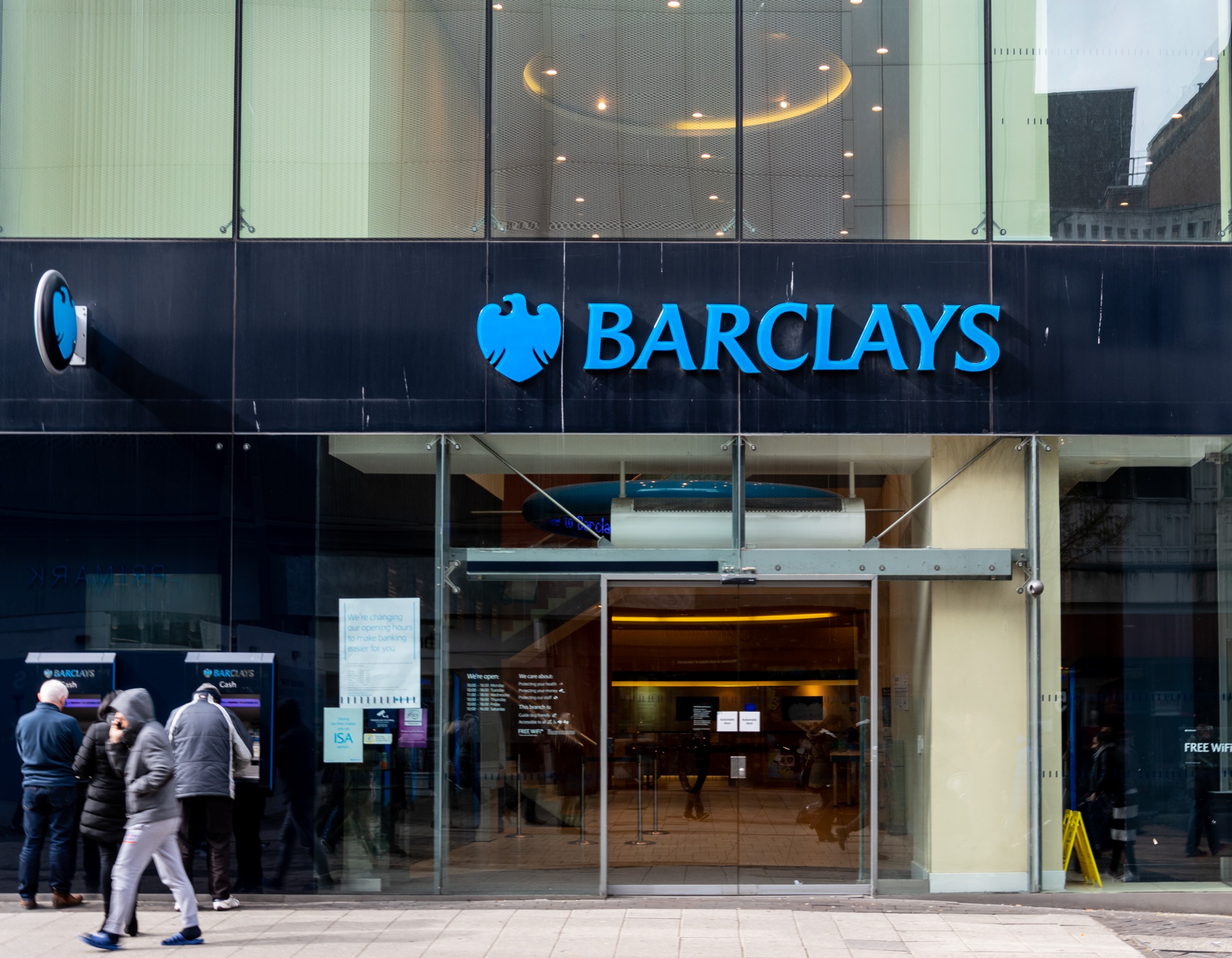
Barclays shares fell sharply in London on Tuesday even after the bank reported stronger first-half profit, as investors questioned whether the earnings beat was broad and repeatable.
The stock dropped about 4.9% in early trading on July 28.
Profit before tax rose 17% to £6.1 billion from £5.2 billion a year earlier, exceeding analysts’ expectations of £5.94 billion.
Group income increased 11% to £16.5 billion, while return on tangible equity improved to 14.8%.
Barclays also announced £2.3 billion of first-half distributions, including a new £1 billion buyback and a 5.9p interim dividend. The shares had entered results priced for an exceptional quarter.
A trading boom produced the beat, but investors expected it
The investment bank generated £4 billion of second-quarter income, ahead of the £3.7 billion expected by analysts.
Revenue rose 20%, supported by stronger Global Markets activity and higher investment-banking fees.
Equities revenue jumped 45% as volatile markets and stronger deal activity boosted client volumes.
Investment-banking fees rose 32%, giving Barclays one of its strongest quarterly performances in years.
The problem was that Wall Street banks had established a demanding benchmark.
Equities revenue at the largest US rivals increased by an average 69%, while Barclays’ fixed-income trading income rose only 1%, compared with an average 13% increase at the top five US banks.
Interactive Investor analyst Richard Hunter described the release as “unblemished” in commentary published by Investing.com.
He noted Barclays shares had climbed 24% during the previous three months, helping explain the cold reaction.
The market had priced in an excellent result. A modest headline beat therefore offered limited room for a valuation upgrade and encouraged investors to lock in profits.
Also read- FTSE 100 shares to watch: Lloyds, Barclays, IAG, NatWest, GSK, AstraZeneca
Weaker UK trends complicated the investment-bank success
Investors looked beyond trading because Barclays is trying to become a more balanced lender, with greater reliance on UK retail, corporate and wealth businesses.
Barclays UK income rose 7% in the second quarter, helped by structural-hedge income. That benefit was partly offset by retail-deposit dynamics and pressure on mortgage margins.
Private Bank and Wealth Management income increased only 5%, as changing deposit preferences diluted growth from higher client balances.
Citigroup analyst Andrew Coombs told the Financial Times that the results were “likely to disappoint” because Barclays’ three UK-focused businesses performed more weakly than expected.
That matters strategically. If domestic operations fail to generate stronger growth, Barclays remains more dependent on investment-banking revenue that can fluctuate sharply with market conditions.
Credit costs added another concern. First-half impairment charges increased to £1.4 billion from £1.1 billion, while second-quarter charges rose to £571 million from £469 million.
The increase does not indicate a credit crisis, but it made the earnings mix less clean.
The post Why did Barclays shares fall after first-half profit jumped 17% on trading? appeared first on Invezz