
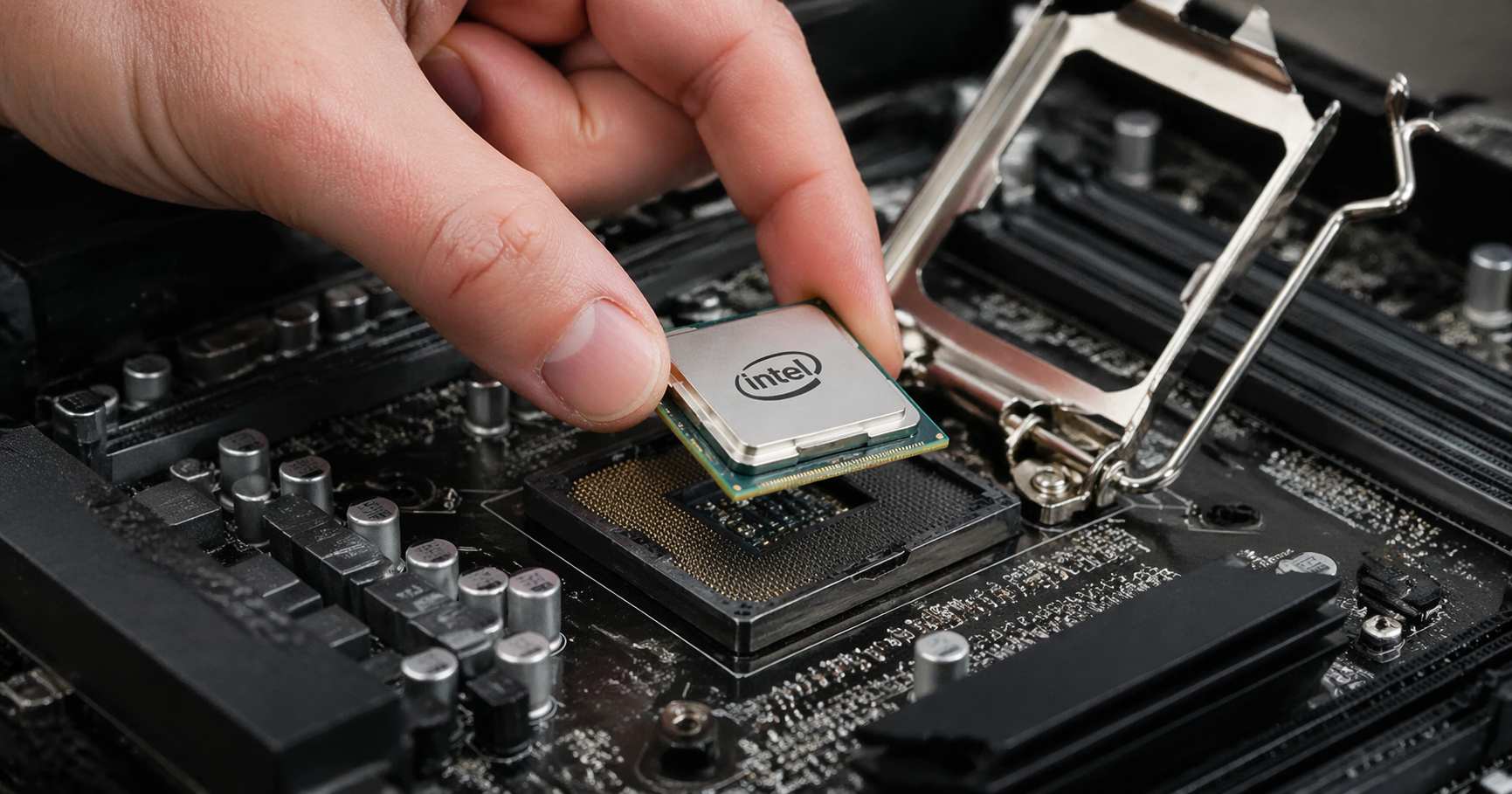
Intel (INTC) shares have surged 10% on Tuesday.
The semiconductor company’s stock has staged a dramatic comeback in 2026 – currently trading at more than 2x its price at the start of this year.
However, despite recent technological advancements and foundry wins, the company has yet to hit a significant operational milestone: achieving GAAP annual profitability.
For those sticking with INTC stock, though, the good news is that the semiconductor giant is now closer than ever to crossing that threshold.
In fact, experts now believe accelerating AI demand and expanding gross margins could see it post its first profitable year since 2023 as soon as next year.
Intel stock’s operational strength is being masked
Intel’s headline GAAP loss of $11 billion in Q2 appears dramatic at first, but a closer examination reveals that the red ink stems primarily from non-cash accounting line items.
The dominant drag was a $12.5 billion non-cash, mark-to-market charge tied to escrowed shares set aside for the US government under its agreement with the Trump administration, an accounting adjustment rather than an outflow of cash.
Combined with Q1 non-cash goodwill impairments, these charges obscure Intel’s solid underlying performance across core business units.
Excluding these non-operational items, INTC actually recorded $2.2 billion in non-GAAP adjusted net income and generated $7 billion in operating cash flow during Q2 alone, powered by a 59% year-on-year increase in Data Center and AI revenue.
Revenue trajectory signals full-year profitability in 2027
Reaching annual GAAP profitability in 2027 requires Intel to cover about $23 billion in projected annual operating expenses.
With GAAP gross margins expanding 100 basis points sequentially to 40.4% in the second quarter, and management guiding for 41% in the current quarter – the giant’s revenue threshold for break-even sits near $56 billion annually.
And its current sales pace comfortably clears that mark, with first-half revenue reaching roughly $29.7 billion and Q3 revenue guidance set at $15.8 billion to $16.8 billion, implying an annualized run rate of nearly $65 billion.
While H1 accounting losses preclude full-year GAAP profitability in 2026, modest top-line growth of 5% to 10% next year against mid-$20 billion operating expenditures should comfortably yield several billion dollars in GAAP net profit.
Does that warrant buying INTC shares today?
While the operational path toward black ink in 2027 is clear, INTC’s market cap of roughly $503 billion signals Wall Street has already priced in a significant portion of this recovery.
Trading at a rather stretched 90x forward earnings, investors must weigh near-term noise, such as further paper revaluations of government escrow shares or restructuring costs, against long-term execution on the 18A manufacturing node.
For new capital, chasing aggressive intraday rallies carries valuation risk; a more prudent approach is waiting for price consolidation or building positions on pullbacks.
Note that Wall Street currently rates Intel shares at Hold only, with the mean price target of about $114 indicating potential upside of nearly 15% from here.
The post Intel to post its first annual profit since 2023 next year: find out more appeared first on Invezz