
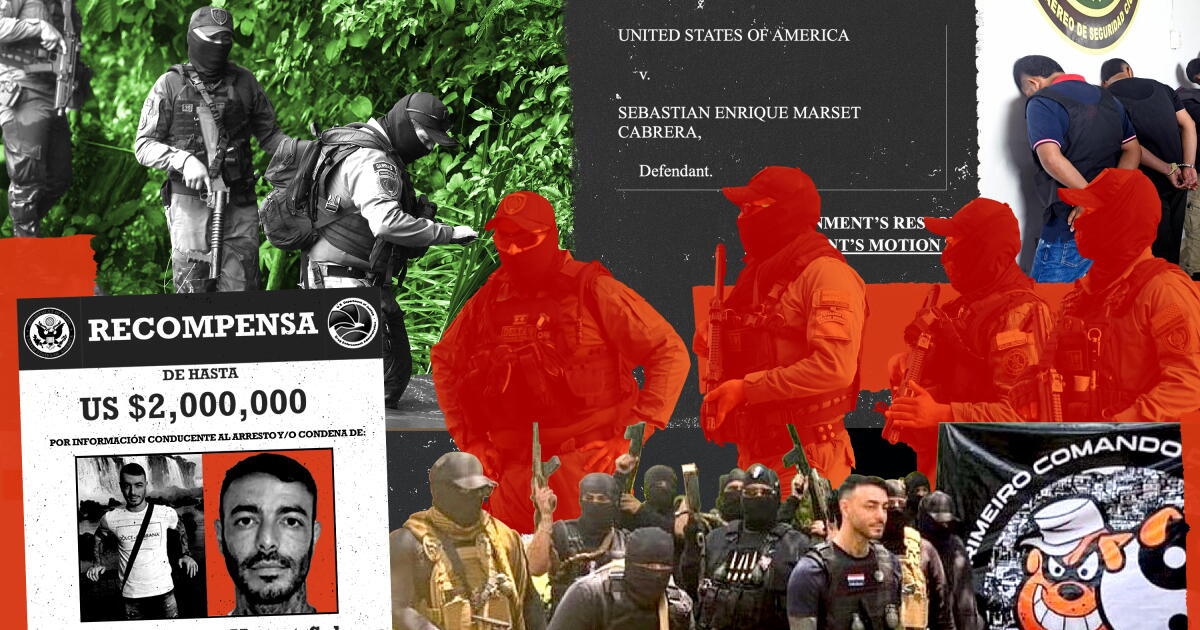
Sebastian Marset once operated as a ghost in the global narcotics trade, earning a reputation as the King of the South for allegedly shipping massive quantities of cocaine from South America to Europe. A tattooed Uruguayan who viewed himself as a modern successor to Pablo Escobar, Marset built an empire fueled by cryptocurrency and strategic alliances with Brazil’s most dangerous gangs and Colombian paramilitaries. His lavish lifestyle included funding professional soccer teams just so he could play in the starting lineup, all while evading international law enforcement for years until a GPS tracker hidden in his girlfriend’s luggage finally gave him away in Bolivia.
Now sitting in a jail cell in Alexandria, Virginia, Marset finds himself entangled in a legal battle that highlights the expansive reach of U.S. drug policy. Despite being accused of moving tons of cocaine across the Atlantic, there is virtually no evidence that he ever shipped a single gram of product into the United States. In a recent phone call from prison, Marset expressed bewilderment over his presence in an American courtroom, insisting he never had any interest in the U.S. and claiming he does not owe the country anything.
The jurisdictional hook used to bring him to Virginia is remarkably thin, resting primarily on a single wire transfer of roughly 32,000 dollars between Portugal and China that prosecutors claim touched a bank server in Richmond. Marset’s defense team argues this connection is ephemeral and insufficient to justify federal prosecution, suggesting that the government is stretching its authority far beyond reasonable limits. While prosecutors hint they may eventually produce evidence of domestic smuggling during a trial, those charges have yet to materialize officially.
Beyond the jurisdictional dispute, Marset faces grave accusations of brutality, including ordering grenades attacks on police stations and orchestrating the assassination of a prosecutor during his honeymoon. However, his lawyers contend that these crimes happened thousands of miles away and should be handled elsewhere. As he fights his case, Marset remains a symbol of how current U.S. strategies seek to dismantle global cartels regardless of whether their operations directly impacted American soil.