
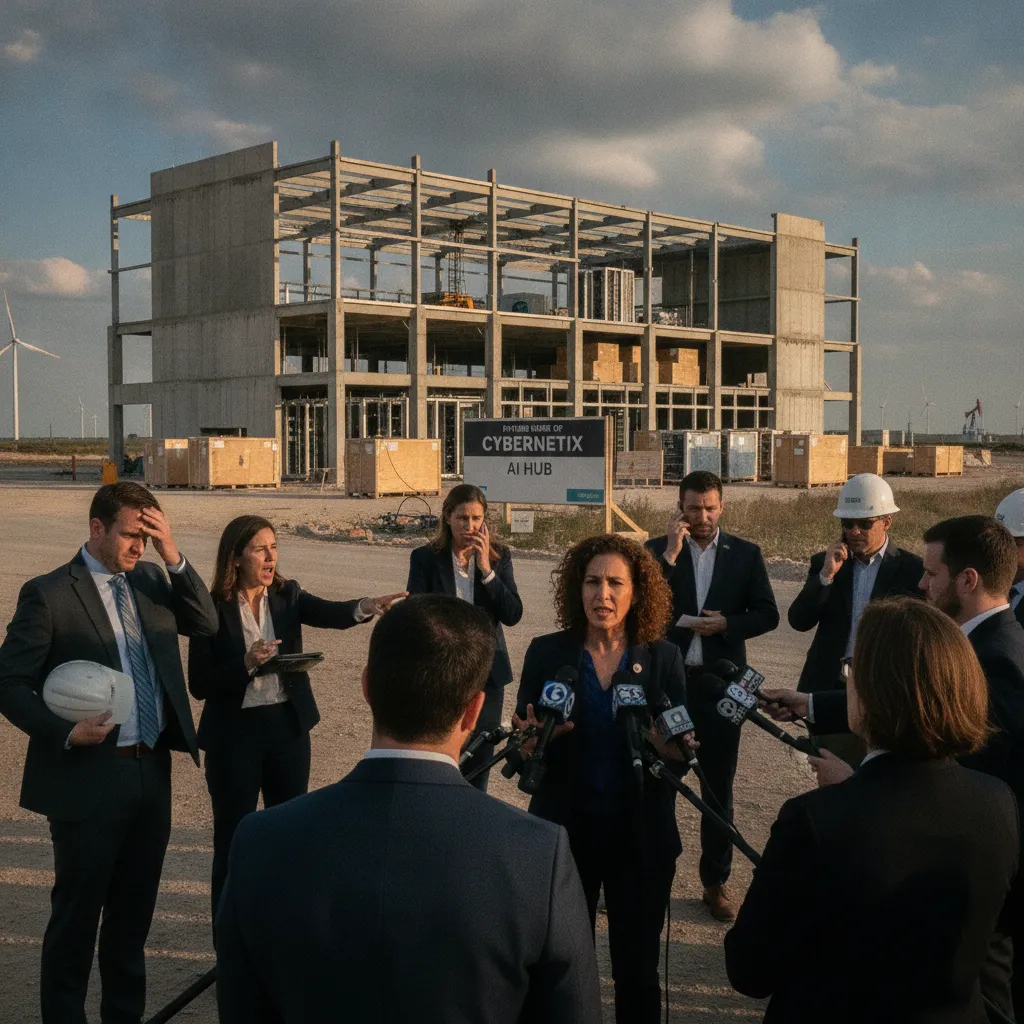
Investors in artificial intelligence and data center stocks faced a sharp wake-up call this week following a surprising shift in the Texas political landscape. The victory of Democrat Gina Hinojosa over incumbent Governor Greg Abbott has sparked fears of a significant slowdown in tech expansion, primarily because Hinojosa has campaigned on an immediate moratorium for new data centers. With nearly thirty percent of planned U.S. data center capacity concentrated in the Lone Star State, the prospect of legislative roadblocks in such a critical hub has sent ripples through the markets.
The electoral defeat hit Elon Musk particularly hard, given his heavy financial backing of Republican candidates and the deep roots his companies have planted in Texas. Shares of Tesla dropped five percent and SpaceX saw a four percent decline shortly after the opening bell. Having poured hundreds of millions of dollars into the midterm races to support GOP nominees, Musk found himself facing a hostile regulatory environment for his terrestrial ambitions. In a characteristic turn toward the futuristic, Musk took to X to suggest that building AI infrastructure in space might now be more appealing than dealing with earthly politics.
While diversified giants like Amazon, Alphabet, and Microsoft managed to resist the downward trend, specialized neocloud providers felt the pinch as their valuations dipped. Analysts warn that this isn’t just about Texas; Democratic wins in other key states like Georgia, Pennsylvania, and Ohio further signal a nationwide pivot away from treating data centers as easy economic wins. There is growing concern among strategists that these facilities have evolved from welcome investments into political liabilities during recent campaign cycles.
Industry experts now anticipate several years of friction both at the state level and within the Beltway, especially with Democrats poised to control the Senate. This combination of regional restrictions and federal hurdles could stall the aggressive rollout of AI hardware required to sustain current growth projections. For many investors, the results represent more than just a change in leadership but a potential structural shift that may cap the rapid ascent of the AI trade heading into next year.