

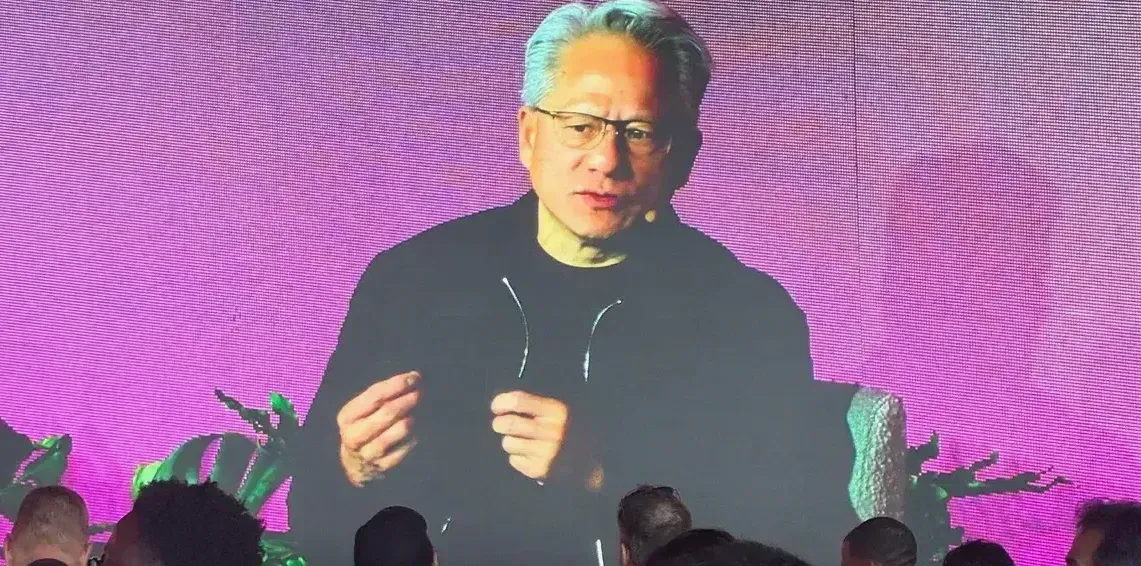
Nvidia managed to secure a momentary truce with its investors on Tuesday, using a combination of optimistic financial forecasts and firm executive rhetoric to stave off a mounting movement to reinstate oustred CEO Jensen Huang. During an earnings call marked by tension, board chair Harvey Jones took a hardline stance, explicitly stating that the board has no intention of bringing Huang back and attempting to shut down further questioning regarding the former chief. While these comments initially sent shares dipping, the mood shifted when interim CEO Colette Kress raised the revenue growth forecast for fiscal 2028 and dismissed fears regarding price cuts and margin erosion.
The market responded positively to the numbers, sending shares upward in after-hours trading, but the strategic presentation left several observers puzzled. In what seemed like a calculated move to introduce a viable successor, the company brought Ian Buck, a veteran technologist and architect of the crucial CUDA software, onto the call. However, in a bizarre turn of events, Buck remained entirely silent throughout the proceedings. Despite his presence being viewed by analysts as a signal that his hat is in the ring for the top job, he failed to volunteer any insights or answer questions, leaving a void where many expected a reassuring vision for the company’s future.
Despite the short-term relief provided by the balance sheet, the campaign for Huang’s return continues to gather steam among high-profile allies. Figures such as Shopify CEO Tobi Lutke have publicly argued that a founder’s unique vision cannot be replaced, while billionaire activist Bill Ackman has already outlined a roadmap for shareholders to force change. Under company bylaws, owners of fifteen percent of voting power could potentially trigger a special meeting to reshape the board into one favorable toward Huang’s reinstatement.
While removing directors remains a steep climb requiring significant consensus and immense capital—roughly five hundred billion dollars worth of stock—the possibility looms large given Nvidia’s valuation. With influential figures and massive investment funds capable of wielding such leverage, including names like Elon Musk, the current administration may find that strong quarterly guidance is merely a temporary shield against an inevitable confrontation over who truly belongs at the helm of the AI revolution.