

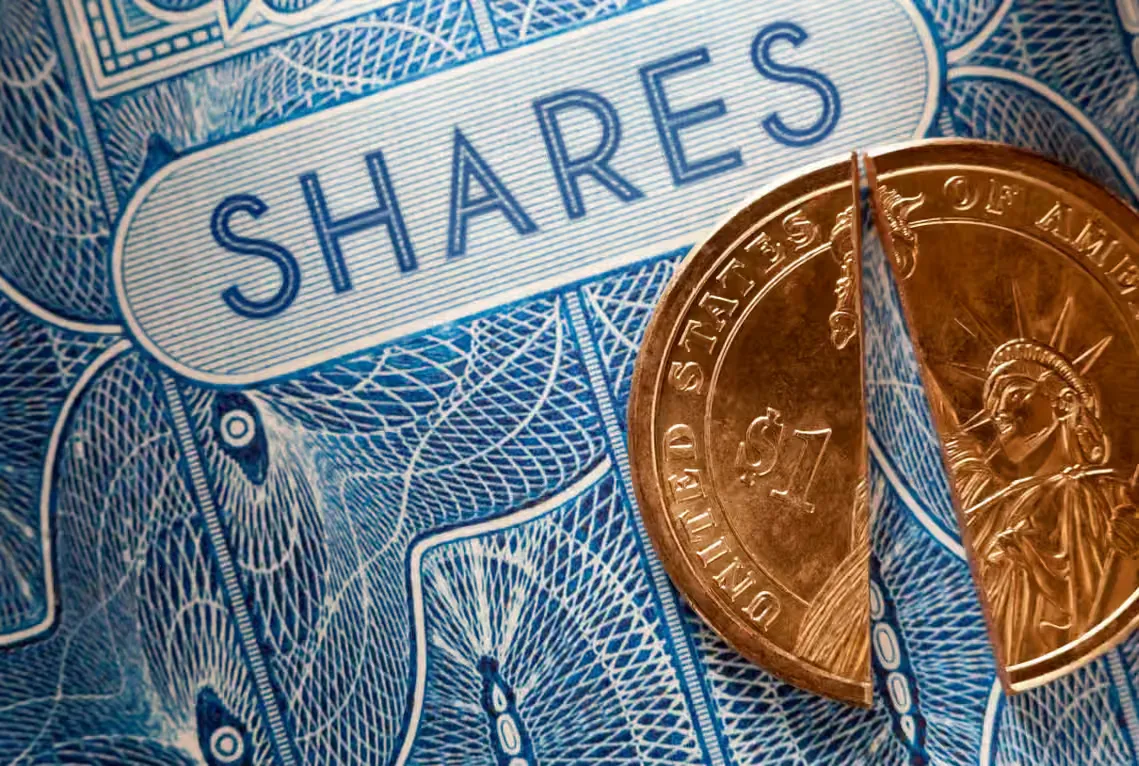
Micron Technology has entered a financial stratosphere that seemed unimaginable just a few years ago, with its stock climbing 485 percent over the past year. Now trading above 1,000 dollars per share and boasting a market valuation of 1.2 trillion dollars, the company finds itself in a position similar to peers like Nvidia and Broadcom, who both opted for ten-for-one stock splits earlier this year. For many retail observers, the skyrocketing price tag makes a split seem inevitable as a way to make individual shares feel more affordable to the average investor.
However, a closer look at Micron’s strategy suggests that management is prioritizing substance over optics. During a recent earnings call, leadership indicated that their primary goal for handling excess cash is not splitting the stock but rather aggressive share repurchases. While a split might attract momentum traders by lowering the barrier to entry, it does nothing to increase the actual value of the business. With most modern brokerages offering fractional shares, the psychological appeal of a lower share price has become less critical than it once was for small scale investors.
The drive toward buybacks is fueled by an unprecedented explosion in wealth driven by the artificial intelligence memory boom. Data centers requiring high bandwidth memory have sent Micron’s financials soaring, with fiscal 2026 revenue hitting 133.2 billion dollars and adjusted free cash flow jumping to an astonishing 62.3 billion dollars. This massive influx of liquidity provides the company with plenty of ammunition to reduce its total share count, which creates genuine long term value for shareholders in a way that a cosmetic split cannot.
Looking ahead, investors should focus less on whether the ticker symbol drops from four digits to two and more on how Chief Financial Officer Mark Murphy executes his plan for capital returns. With billions in net cash and expectations for even higher free cash flow in early 2027, Micron appears poised to leverage its treasury to reward holders directly. In an era of AI led hypergrowth, shrinking the number of outstanding shares may prove far more lucrative than simply changing the math on how those shares are divided.