

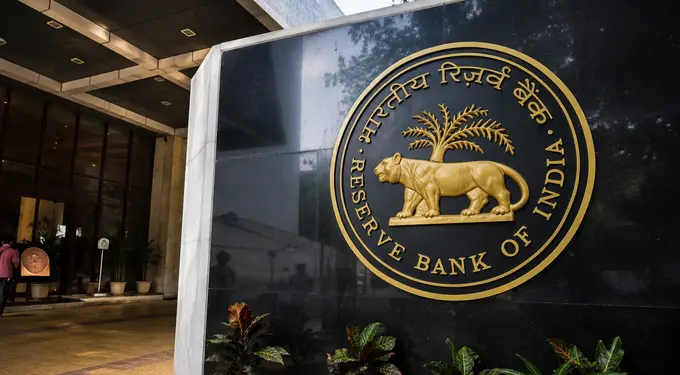
Shares of Indian banks rose more than 1% on Tuesday, making them the top-performing sectoral gainers after the Reserve Bank of India issued detailed guidelines for a concessional foreign exchange swap facility that lenders can use for overseas borrowings.
The move forms part of a broader package of measures announced by the central bank to attract foreign capital into the country at a time when India’s economy is facing growth and inflation challenges.
The measures also come as the rupee remains under pressure from rising crude oil prices and sustained outflows from domestic equity markets.
Banking stocks lead market gains
The Nifty Bank index advanced 1.2% at 10:18 am IST in Mumbai, outperforming the broader market.
The benchmark Nifty 50 index was up 0.2% during the same period.
Among major lenders, State Bank of India and HDFC Bank gained 0.7% and 0.1%, respectively.
ICICI Bank rose 1.4%, emerging as the top performer among private sector lenders and helping the private banks index gain 1.1%.
The rally followed a mixed performance for banking stocks in recent sessions.
The banking index had risen 0.4% on Friday before declining 0.8% on Monday.
Details of the forex swap facility
Under the RBI’s framework, the concessional swap facility will remain available through September 30.
The facility is intended to compensate banks for hedging costs associated with three- to five-year foreign currency non-resident deposits.
Market participants appeared to welcome the additional clarity provided by the central bank.
Citi Research said, “This is likely to be treated as an additional announcement by the markets as there was no full clarity on this last Friday.”
The brokerage added that the measure could generate overseas borrowings worth between $25 billion and $30 billion.
Jefferies projected even larger capital inflows.
According to the brokerage, overall inflows could reach $50 billion to $70 billion following the RBI’s decision to allow banks to offer leverage on deposits made by non-residents.
Potential benefits for banks
According to ICICI Securities, the latest measures could strengthen banks’ liability profiles by increasing the share of stable medium-term foreign currency deposits while reducing dependence on domestic deposit mobilisation.
The move comes at a time when lenders have been facing intense competition for deposits.
Households have increasingly been directing savings toward equities and other asset classes, creating challenges for banks seeking to raise funds through traditional deposits.
Despite Tuesday’s gains, banking stocks have faced pressure this year.
The bank index has declined 8.2% so far, while the benchmark Nifty has fallen 11.4%.
RBI expands foreign investment access
Alongside the forex swap facility, the RBI announced several measures aimed at encouraging foreign investment and improving access to overseas capital.
Among the key initiatives, all new issuances of 15-year, 30-year, and 40-year government bonds will be included under the Fully Accessible Route.
According to the RBI, bonds in this category are already part of three global bond indexes.
The central bank said the move is expected to improve accessibility for foreign investors and could increase participation in India’s government debt market.
In another significant policy change, limits relating to short-term investments, concentration norms, and individual securities applicable to foreign investment under the general route will be removed.
RBI Governor Sanjay Malhotra said the latest measures, along with tax benefits announced by the government earlier in the day, are expected to support greater foreign participation in government borrowing programmes.
The combined measures underscore the central bank’s efforts to attract higher dollar inflows, support financial markets, and strengthen funding avenues for both the government and the banking sector.
The post Indian banks lead market gains on RBI’s foreign deposit initiative appeared first on Invezz