
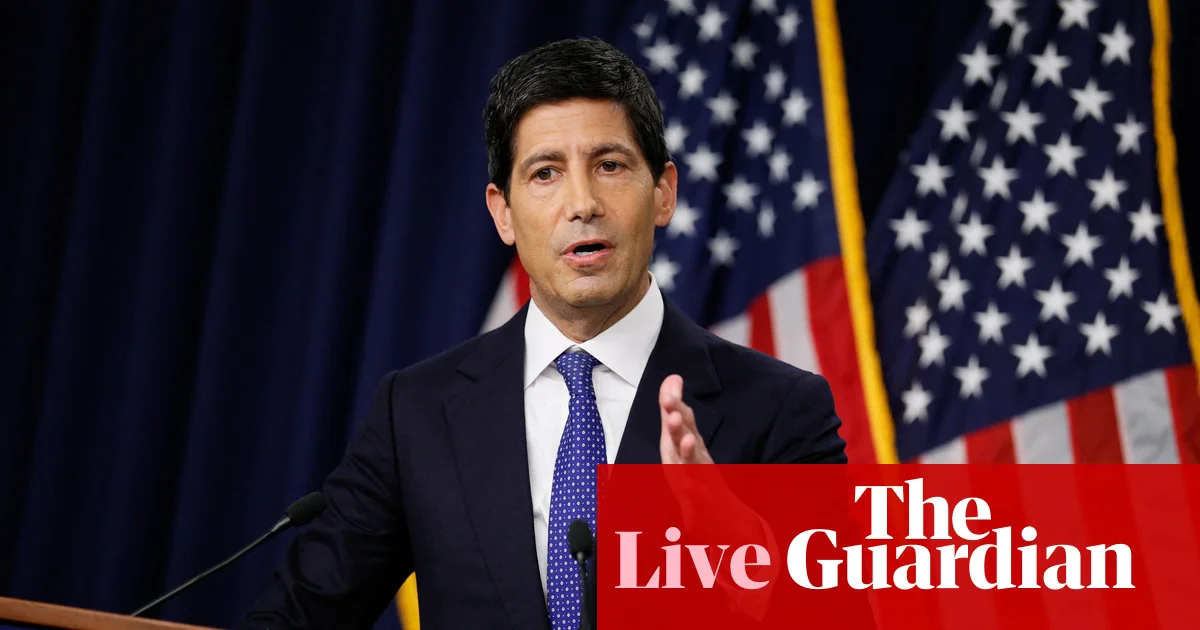
The Federal Reserve has voted unanimously to raise interest rates for the first time since July 2023, marking a decisive opening move for Chair Kevin Warsh. In a 12-0 decision, the open market committee increased the benchmark rate by a quarter-percentage point to a new range of 3.75 percent to 4 percent. Speaking at a press conference following the announcement, Warsh was blunt about the necessity of the move, stating that inflation is simply too high and has remained so for far too long. He noted that recent readings from over the summer suggest underlying inflationary trends have not meaningfully improved, forcing the Fed to prioritize price stability.
The timing of the hike places Warsh in a precarious political position, as he was appointed by Donald Trump with the general expectation that he would pursue rate cuts. Trump has previously expressed approval of certain inflationary pressures and pushed for lower borrowing costs, creating a looming clash between the White House and the central bank. When questioned about these external pressures and Trump’s specific demands, Warsh defended the institution’s autonomy, asserting that the Fed stays in its own lane and bases decisions solely on economic assessments rather than political influence or market volatility.
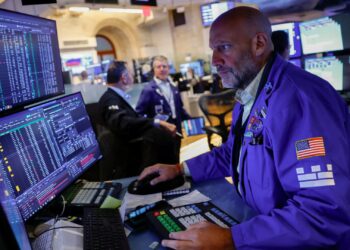
Wall Street reacted sharply to the news and Warsh’s hawkish tone. Major indices slid lower toward the end of the session, with the Dow tumbling by 850 points while both the S&P 500 and Nasdaq saw declines. Treasury yields shifted as investors recalibrated their expectations for future policy, and the US dollar index climbed slightly. Analysts suggest this could be just the beginning of a tightening cycle, with some economists predicting additional hikes later this year due to persistent energy prices and geopolitical instability involving Iran.
Political reactions were split along party lines almost immediately after the announcement. Representative Jason Smith of Missouri criticized the move as harmful to working families and small businesses who are already struggling with high borrowing costs. Conversely, Democratic Representative Brendan Boyle argued that the rate hike was inevitable given how tariffs and foreign conflicts have driven prices upward. As analysts warn that Warsh may now face public criticism similar to that experienced by his predecessor Jerome Powell, all eyes remain on how Donald Trump will respond to his nominee’s first major act of defiance against his preferred economic agenda.