
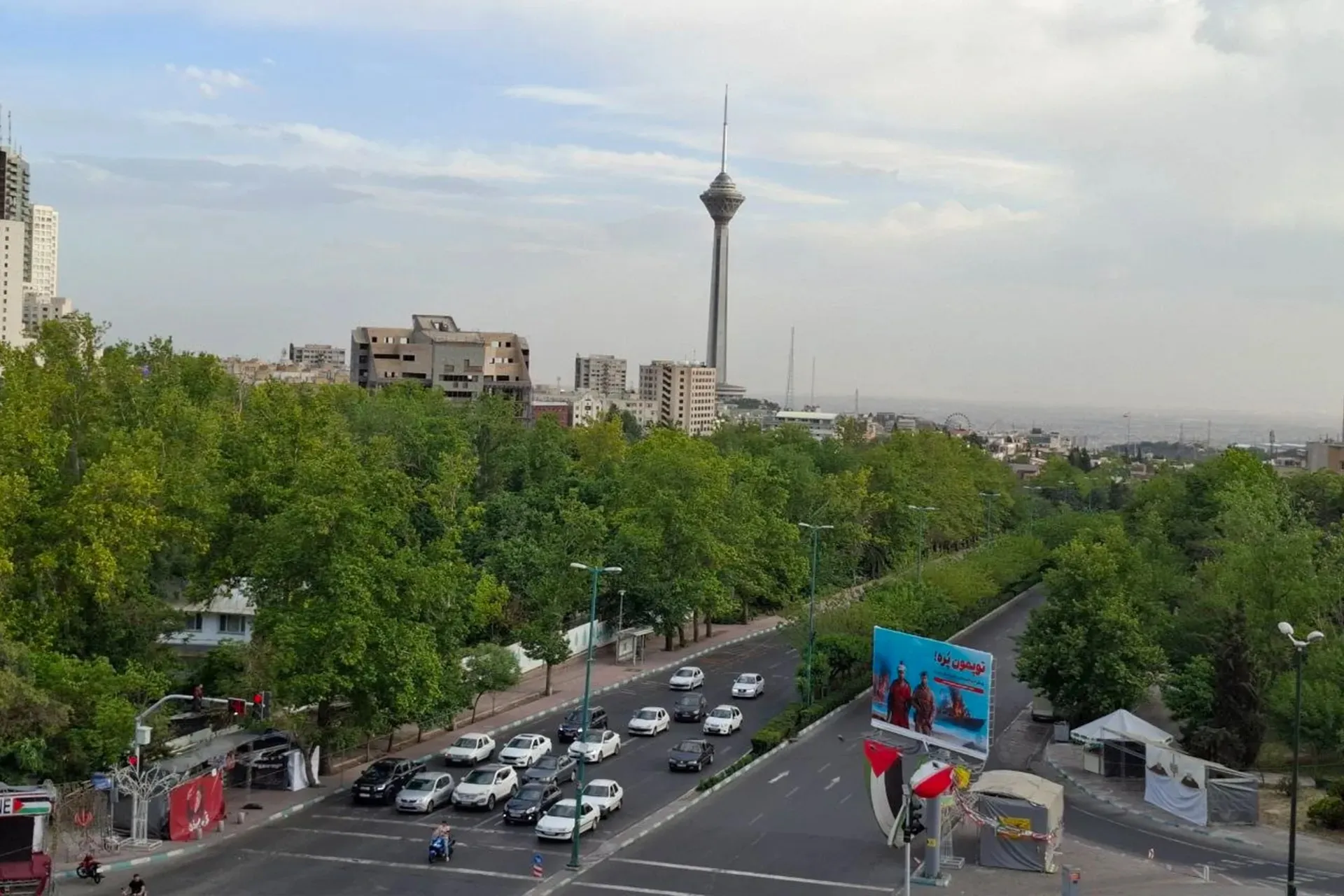
Panic is beginning to seep into the daily routines of residents in Tehran as Iranians scramble to stockpile essential food and medicine. This surge in hoarding comes amid escalating fears that a tightening United States embargo and naval blockade will lead to severe domestic shortages. While store shelves currently remain relatively full, a wave of anxiety fueled by social media warnings has sent shoppers rushing to buy bulk quantities of rice, flour, oil, and canned goods. Many citizens believe these measures are part of a strategy to starve the population into turning against their own government.
The crisis extends beyond the grocery aisles and into the healthcare system, where pharmacists report a dwindling supply of critical imported medications. Infant formula and various specialized drugs are becoming increasingly difficult to find, leading desperate parents and patients to buy supplies long before they are actually needed. To manage these scarcities, health authorities have implemented smart tracking systems to monitor medication purchases, though pharmacy assistants warn that substitutes cannot always fill the void left by missing imports.
The economic strangulation is also devastating Iran’s agricultural sector. Farmers who once exported produce across the region now find themselves trapped by unofficial land blockades and severed trade ties with neighboring countries. Apple growers report that much of their harvest is rotting at border crossings or being dumped into saturated local markets at lower prices. For many producers, the current environment feels like an undeclared total blockade affecting sea, air, and land routes alike.
Politically, the atmosphere remains tense following President Donald Trump’s rejection of a proposed seven-day truce offered by Tehran. With diplomatic channels seemingly frozen and President Masoud Pezeshkian condemning the blockade at the United Nations, some Iranians are calling for more aggressive military action to break the siege. Experts suggest that as living standards plummet and the currency weakens, there is a growing risk that external economic pressure could ignite internal civil unrest, which some view as the ultimate objective of Washington’s isolation strategy.