

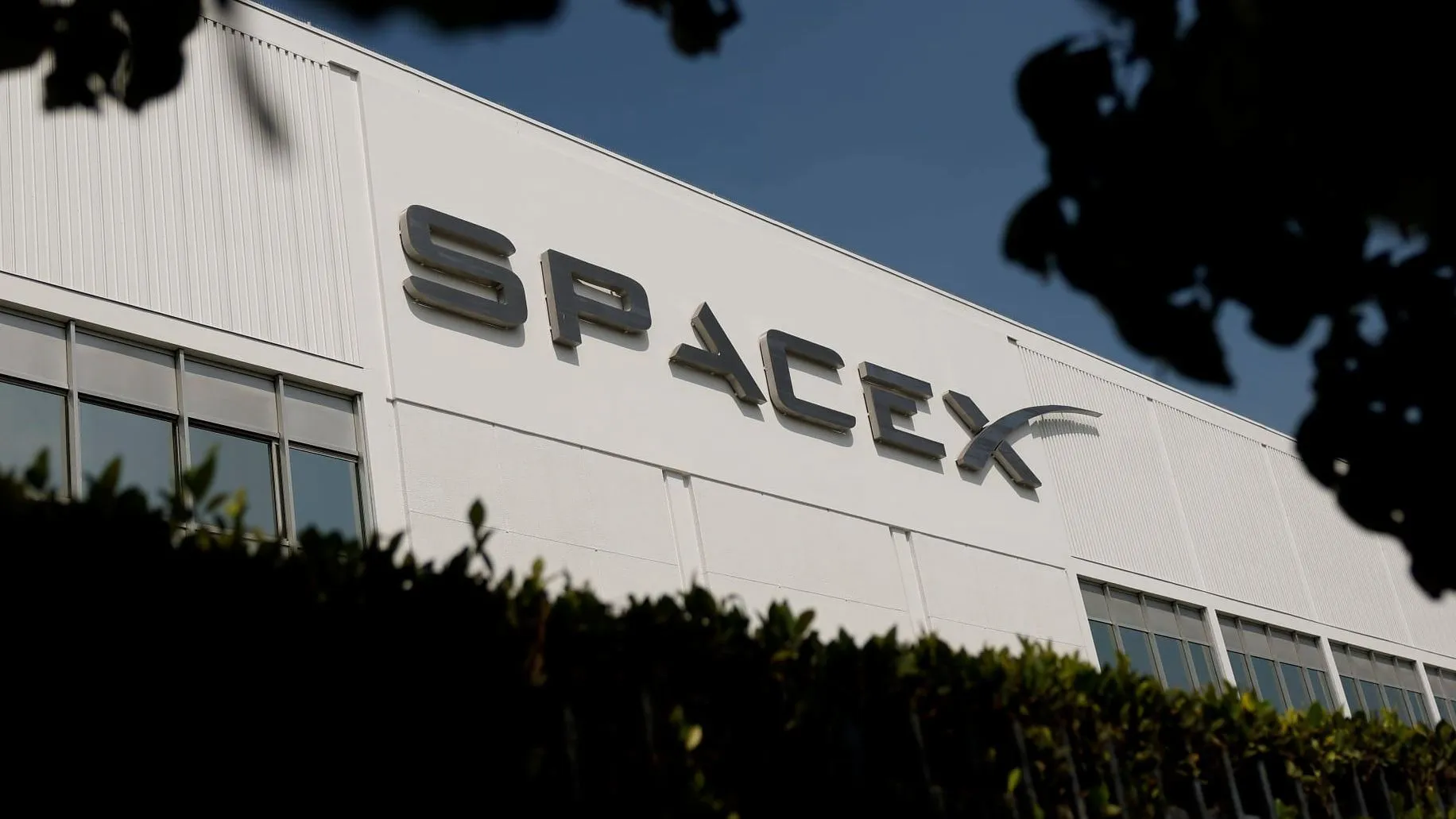
All eyes are on Elon Musk’s aerospace and defense empire as SpaceX prepares to release its third quarter financial results on Tuesday afternoon. This marks only the second earnings report since the company’s massive initial public offering in June, and investors are eager to see if the organization can maintain its momentum. Current consensus estimates suggest a strong performance, with revenue projected at 12.72 billion dollars and earnings per share expected to land around 13 cents. While the world often associates SpaceX with its iconic reusable rockets, much of the actual profit engine is currently driven by Starlink, the company’s ambitious satellite internet venture.
Wall Street analysts remain particularly optimistic about the growth trajectory of Starlink Mobile. Recent moves, including the acquisition of significant low band spectrum and FCC approval for a sprawling 15,000 satellite constellation, signal that SpaceX is positioning itself to challenge traditional cellular carriers with deeper global coverage. RBC Capital Markets has expressed confidence in this strategy, maintaining a buy rating and setting a price target of 225 dollars per share. Beyond connectivity, there is significant anticipation surrounding the company’s pivot toward artificial intelligence, especially following the high profile 60 billion dollar acquisition of AI coding startup Cursor.
However, this aggressive expansion comes with substantial costs that have previously rattled shareholders. A large portion of SpaceX’s capital expenditure has been diverted into its AI division, formerly known as xAI and now referred to as SpaceXAI or SpaceXSI. These heavy investments in data centers have drawn comparisons to other cloud computing firms that are currently struggling under high interest rates and volatile markets. Investors will be watching closely to see how these spending levels affect the bottom line and whether the promise of super intelligence justifies the steep overhead.
Meanwhile, the core space business remains a blend of technical triumph and financial struggle. Although Starship recently achieved key milestones during its fourteenth test flight by deploying new satellites into orbit, the rocket system is not yet fully reliable or reusable. The launch segment continues to operate at a loss despite providing essential services for NASA and the Pentagon. As shareholders tune in for tomorrow’s conference call, they will likely seek clarity on when these engineering breakthroughs will translate into consistent profitability across all divisions of Musk’s diverse portfolio.