
Apple’s next iPhone could become more expensive, but the company’s new leasing programme may help customers absorb the increase and protect demand.
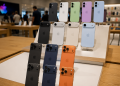
Morgan Stanley analyst Erik Woodring estimates that iPhone 18 models could cost as much as $200 more as rising memory and storage expenses squeeze hardware margins.
Apple has not confirmed any increase. Yet Apple Upgrade, its US leasing programme operated through Klarna, lets customers spread the cost across 12 or 24 months instead of paying upfront.
For Apple stock (NASDAQ: AAPL), the question is whether leasing can make a costlier iPhone affordable enough to preserve upgrades, lift selling prices and protect margins.
Apple’s pricing power could turn inflation into profit
AI data centres are consuming more memory and storage, tightening supplies for consumer-electronics manufacturers.
Apple has already raised prices on some Macs and iPads, shifting Wall Street’s debate towards how much iPhone prices might rise rather than whether an increase is coming.
Woodring believes Apple can pass a share of those costs to customers.
Morgan Stanley expects price increases to add about 1% to fiscal 2027 earnings, assuming unit demand remains resilient. The bank maintained an Overweight rating and a $360 price target.
A $100 or $200 increase could lift Apple’s average selling price and offset component inflation without requiring rapid shipment growth.
Premium buyers are important. Customers choosing Pro models are less sensitive to price changes, giving Apple more room to raise prices where margins are strongest.
A richer mix could support earnings even if demand for cheaper models softens.
Leasing makes a costly iPhone easier to swallow
Apple Upgrade allows eligible US customers to lease iPhones through Klarna for 12 or 24 months, with payments starting at $17.99 a month.
Customers can return the device, start a new lease or make a final payment to keep it.
The programme does not reduce the iPhone’s price, but changes how customers experience it.
Bank of America analyst Wamsi Mohan described Apple Upgrade as “directionally positive”, according to Business Insider.
He highlighted lower affordability barriers, faster replacement cycles, stronger direct engagement and the opportunity to capture value from returned devices. Bank of America retained a Buy rating and a $380 price objective.
That mechanism could become useful if Apple raises prices. A $200 increase appears significant on a retail label, but less severe when divided across monthly payments.
Returned devices could provide refurbished inventory and create more opportunities to sell AppleCare, accessories and services.
Higher prices still carry a difficult demand test
Apple’s pricing power is strong, but not unlimited.
KeyBanc downgraded Apple to Underweight with a $250 target after spending data pointed to weaker hardware demand and slowing upgrades.
The firm warned that higher prices and reduced carrier subsidies could make fiscal 2027 growth harder to achieve.
Leasing also has disadvantages. Customers do not automatically own the device, AppleCare is not included in the lowest advertised payment, and damage or early-termination charges can raise the cost.
Consumers who upgrade repeatedly may remain in permanent monthly payments without retaining a phone to resell.
Supply remains another risk. Even if customers accept higher prices, shortages of advanced chips and memory could prevent Apple from shipping enough devices to capture the full benefit.
The post Why Apple stock may thrive even if the next iPhone costs much more appeared first on Invezz