
OpenAI is discovering that scale in artificial intelligence does not automatically translate into momentum.
As per a recent Wall Street Journal report, the ChatGPT maker has fallen short of internal goals for both new users and revenue in recent months.
The misses include a target to reach 1 billion weekly active users by the end of 2025.
The figures land at a time when OpenAI is valued at $852 billion is preparing for a potential IPO, and is still projecting vast spending on computing power.
The Anthropic problem nobody saw coming
The first part of the story is not a collapse in demand for AI; it is a shift in where that demand is going.
The WSJ report said that OpenAI missed multiple monthly revenue targets earlier this year after losing ground to Anthropic in coding and enterprise markets.
That makes this look less like a broad slowdown and more like a competitive share loss in the highest-value parts of the market.
The traffic data points in the same direction.
ChatGPT’s share of generative AI web traffic plunged from 86.7% a year earlier to 64.5% in January 2026, while Gemini rose from 5.7% to 21.5%.
The numbers tell a simple story: OpenAI is still in front, but its lead is shrinking as competitors steadily close the gap.
That is why the miss should be read as a market-share problem, not a market-failure story.
OpenAI is still enormous as the company topped $25 billion in annualized revenue, and is expanding into enterprise accounts while facing competition from Anthropic and Google.
The CFO is worried, and she is not hiding it
The most revealing detail in the WSJ account is the internal anxiety around cash and compute.
CFO Sarah Friar expressed concern to other leaders that OpenAI might not be able to pay for future computing contracts if revenue does not accelerate fast enough.
That is a meaningful signal, because it suggests the company’s biggest constraint is no longer product buzz; it is the balance between promised infrastructure and actual monetization.
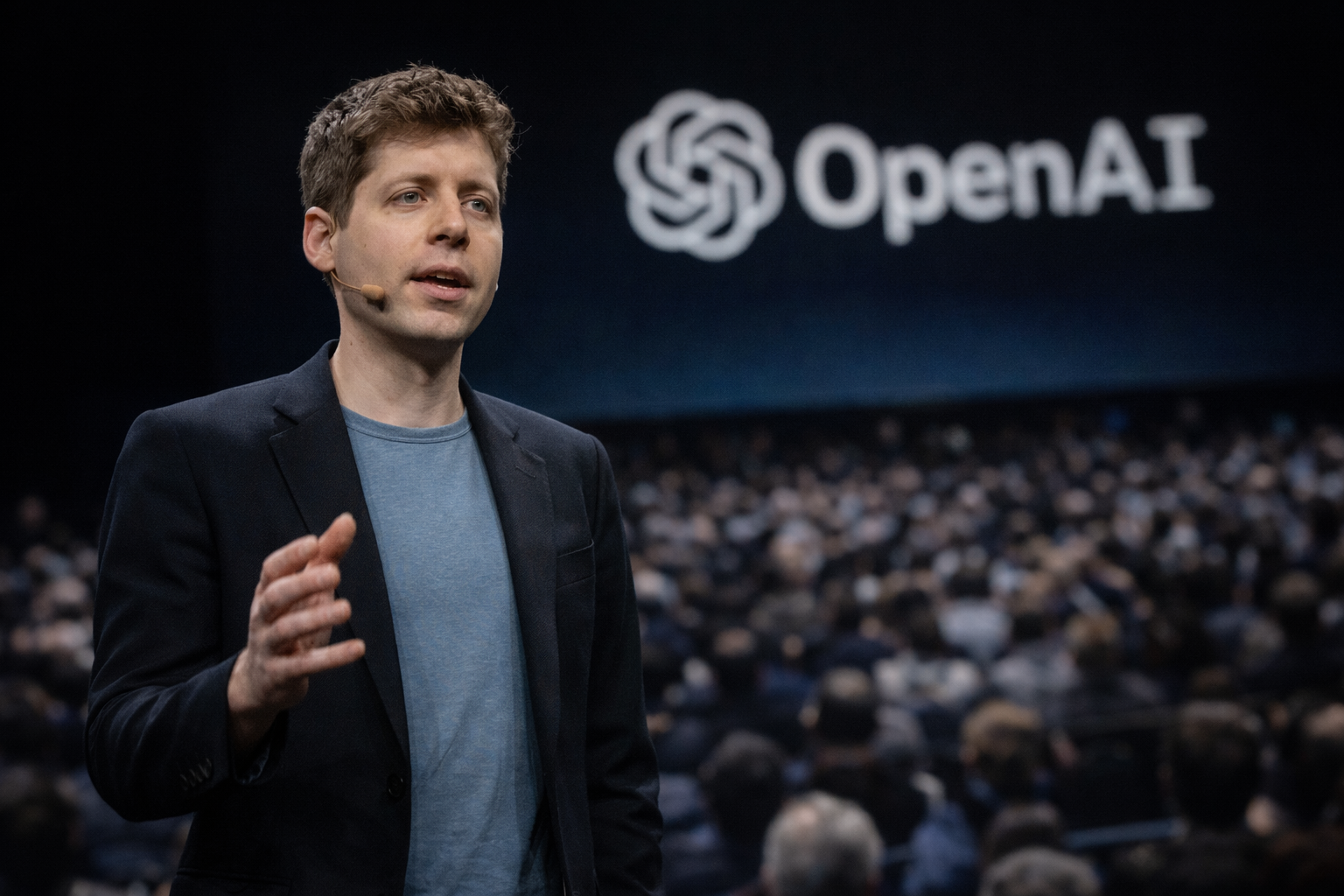
OpenAI’s response was notably forceful. In a joint statement, Altman and Friar said:
“This is ridiculous. We are totally aligned on buying as much compute as we can.”
The tone was defensive, but it also underscored the tension at the heart of the business.
Analysts have been warning for months that the arithmetic is brutal.
Deutsche Bank estimated OpenAI could post $143 billion in negative cumulative free cash flow between 2024 and 2029.
The figures were based on projected revenue of $345 billion and spending of $488 billion over that period.
HSBC said that OpenAI may need another $207 billion in financing by 2030, while Big Tech’s AI infrastructure spending is running at roughly $650 billion this year.
IPO clock is now ticking against the burn
That is why the IPO matters so much.
OpenAI is laying the groundwork for a listing that could value it at up to $1 trillion and may file as soon as the second half of 2026.
The company has already closed a $122 billion funding round at an $852 billion valuation, but the war chest looks large only until you measure it against the scale of planned spending.
The post Why is OpenAI missing targets even as AI investment hits record highs? appeared first on Invezz